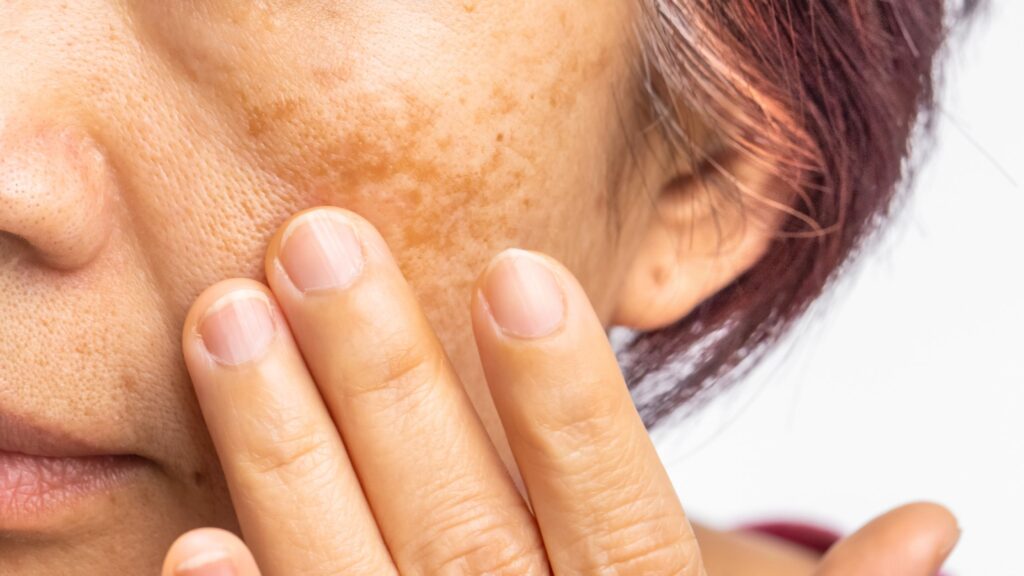
Hyperpigmentation is not just a melanin problem.
Most skincare advice focuses on one thing: reducing melanin.
But hyperpigmentation is not a single pathway.
It is a combination of processes happening at the same time, and this is where most routines fail.
Even if melanin production is reduced, other mechanisms can keep pigmentation active.
Inflammation keeps triggering pigmentation.
Inflammation is one of the most underestimated factors.
Any irritation in the skin, whether from actives, environment, or barrier damage, can trigger pigment production.
This means you can be using brightening ingredients while your skin is simultaneously creating new pigment.
The skin barrier changes everything.
A compromised skin barrier makes pigmentation worse.
When the barrier is weakened, skin becomes more reactive, more prone to inflammation, and more sensitive to external triggers.
In this state, even effective ingredients may not work as expected.
UV exposure continues the cycle.
Hyperpigmentation is strongly linked to UV exposure.
And not only direct sun exposure.
Even low-level daily exposure can maintain pigmentation pathways.
This is why pigmentation often does not fade, even when using active ingredients.
Ingredients do not work in isolation.
One of the biggest misconceptions in skincare is this: “ingredient = result.”
This is an oversimplification, and often wrong.
Ingredients are often treated as independent solutions, but in reality their performance depends on formulation, concentration, skin condition, and environment.
The same ingredient can produce completely different results depending on these factors.
The ingredients everyone talks about.
If you look at most skincare content, you will see the same list repeated.
Niacinamide.
Vitamin C.
Kojic acid.
Licorice root extract.
Alpha arbutin.
Exfoliating acids.
These ingredients are often presented as solutions.
But adding one of them into a product does not automatically mean it will work.
Why formulation matters more than one ingredient.
In cosmetics, there is no such thing as a single “magic ingredient.”
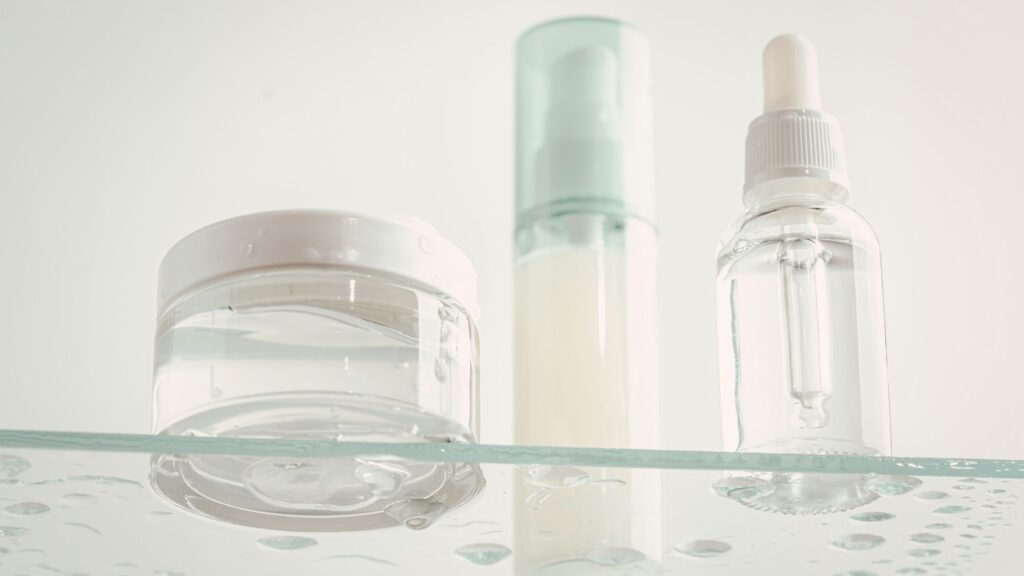
A product is not just an ingredient in water. It is a structured system.
Even basic emulsion science shows that there is no single raw material that guarantees performance. Stability and function come from the whole system working together.
This means where the ingredient sits in the formula, how it is dissolved, what else is around it, and how the structure behaves on skin all affect the final result.
Lipids, for example, can influence how ingredients move through the skin and how well they are delivered to where they are needed.
Even the sensory structure of the product, how it spreads, melts, and absorbs, is determined by formulation, not just actives.
Skin behavior determines the outcome.
This is the key point.
Hyperpigmentation is not just about what you apply, but how your skin behaves.
If inflammation continues, if the barrier is compromised, and if UV exposure is constant, pigmentation will persist.
Why simple routines often fail.
Simple “ingredient-based” routines ignore the complexity of skin behavior.
They focus on what to use instead of how skin responds.
This is why many people see little to no improvement.
Understanding before treating.
Before trying to fix pigmentation, it is essential to understand what is maintaining it.
Only then can skincare actually support visible change.
Final thought.
Hyperpigmentation is not an ingredient problem.
It is a skin behavior problem.
And until that is understood, results will remain inconsistent.
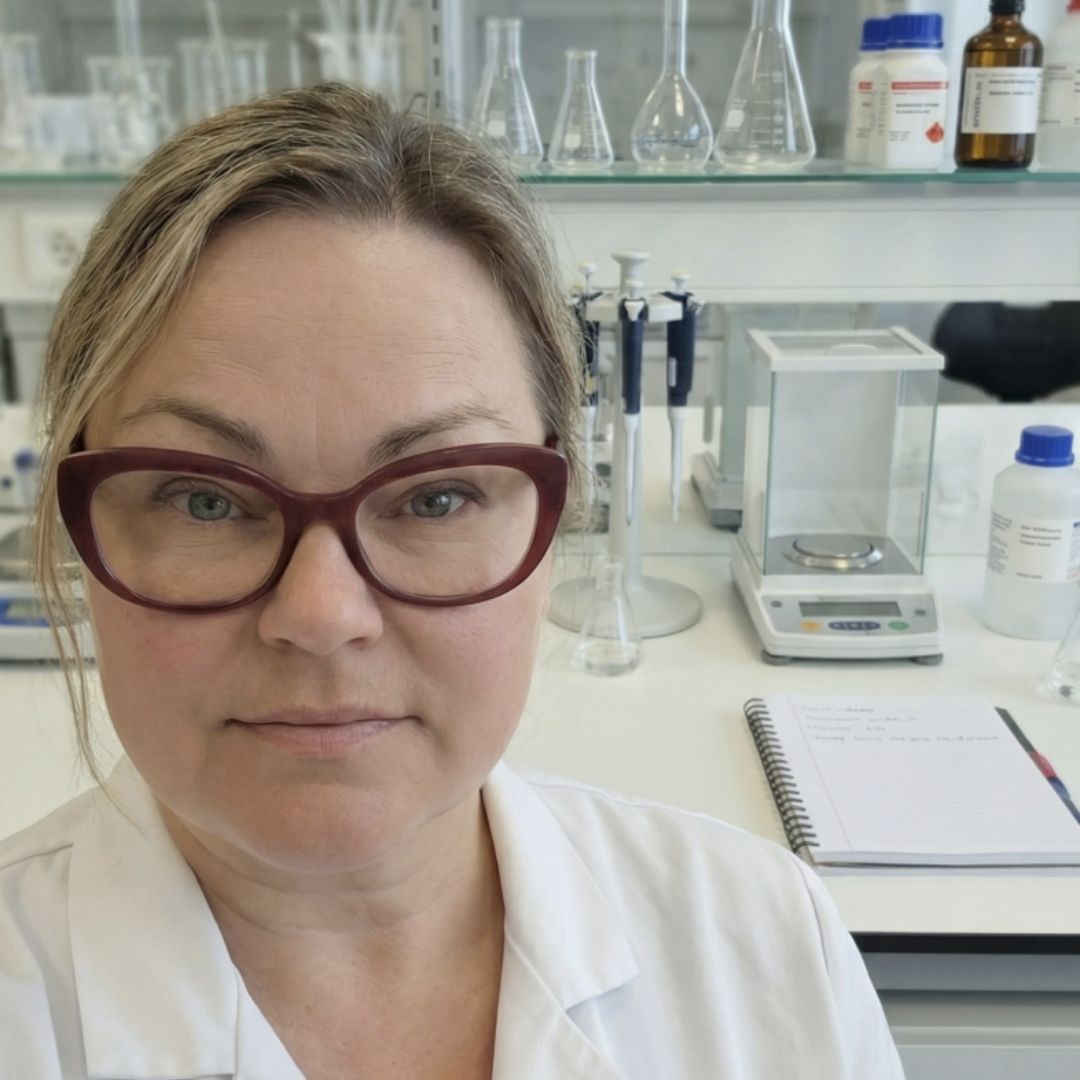
About the author
The Skin Behavior Lab is a cosmetic science–focused platform dedicated to understanding how skin and ingredients actually behave. The content is based on formulation knowledge, ingredient analysis, and real skin behavior rather than trends or marketing claims.