The term “damaged skin barrier” is everywhere in skincare.
But what does it actually mean?
And more importantly, how do you know if your skin barrier is truly damaged or just temporarily unbalanced?
What Is the Skin Barrier
The skin barrier is the outermost layer of the skin, known as the stratum corneum.
It acts as a protective system that controls what enters and what leaves the skin.
Its main functions are to prevent excessive water loss and to protect against external irritants.
When this system works properly, the skin feels comfortable, balanced, and resilient.
What Does a Damaged Skin Barrier Mean
A damaged barrier does not mean your skin is “broken.”
It means that the structure responsible for holding water and protecting the skin is disrupted.
This disruption allows water to escape more easily and irritants to penetrate more easily.
As a result, the skin becomes less stable.
Signs Your Skin Barrier Is Compromised
Common signs include
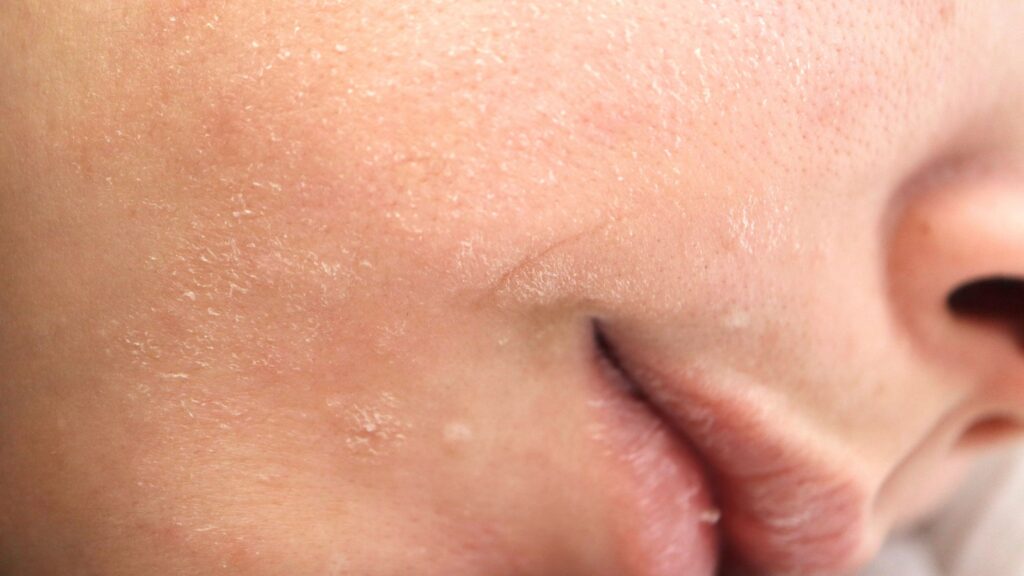
Persistent dryness that does not improve with moisturizers
Increased sensitivity or stinging
Redness or irritation
Tightness after cleansing
Products suddenly feeling too strong
These signs often appear together, not just individually.
What Causes Barrier Damage
Barrier disruption is usually caused by repeated stress rather than a single product.
Common causes include
Over-cleansing
Excessive exfoliation
Using too many active ingredients at once
Harsh surfactants
Environmental stress such as cold air or low humidity
The key factor is cumulative impact.
Why Moisturizers Alone Are Not Enough
Applying a moisturizer may temporarily improve how the skin feels.
However, if the underlying barrier structure is not supported, the effect is short-lived.
This is why skin can feel dry again quickly, even after using rich products.
Barrier function depends on more than just adding oils or occlusives.
What Actually Helps Repair the Skin Barrier
Barrier repair is about restoring structure and reducing stress
Use gentle cleansers that do not strip the skin
Limit exfoliation and active ingredients
Choose formulations that support barrier lipids
Include humectants to help maintain water balance
Allow time for the skin to stabilize
Consistency is more important than intensity.
How Long Does Barrier Repair Take
The skin barrier does not repair instantly.
Depending on the level of disruption, it can take days to weeks.
During this time, the goal is not to do more, but to do less.
Reducing unnecessary stress allows the skin to return to balance.
When It Is Not Actually Barrier Damage
Not all dryness or sensitivity means the barrier is damaged.
Sometimes the issue is simply dehydration or temporary imbalance.
Understanding this distinction helps avoid overcorrecting with heavy or unsuitable products.
Conclusion
A damaged skin barrier is not a mystery condition.
It is a functional imbalance in how the skin retains water and protects itself.
When you understand this, skincare becomes less about adding more products and more about supporting how skin actually behaves.

About the author
The Skin Behavior Lab is a cosmetic science–focused platform dedicated to understanding how skin and ingredients actually behave. The content is based on formulation knowledge, ingredient analysis, and real skin behavior rather than trends or marketing claims.