Neurocosmetics has moved from the margin of cosmetic chemistry to the centre of the industry conversation in just two years. At In-cosmetics Global 2026, the term defined the show floor. Mintel listed it as a key beauty trend for both 2024 and 2025. Market projections place the global category at 1.6 billion USD in 2025, with forecasts reaching anywhere from 3.6 to 12.8 billion USD by 2033 to 2035, depending on the analyst. The label is everywhere now, but the substance behind it is not. This piece sets out what neurocosmetics actually means when it means something, and which European companies are building the field rather than borrowing the vocabulary.
What Neurocosmetics Actually Means
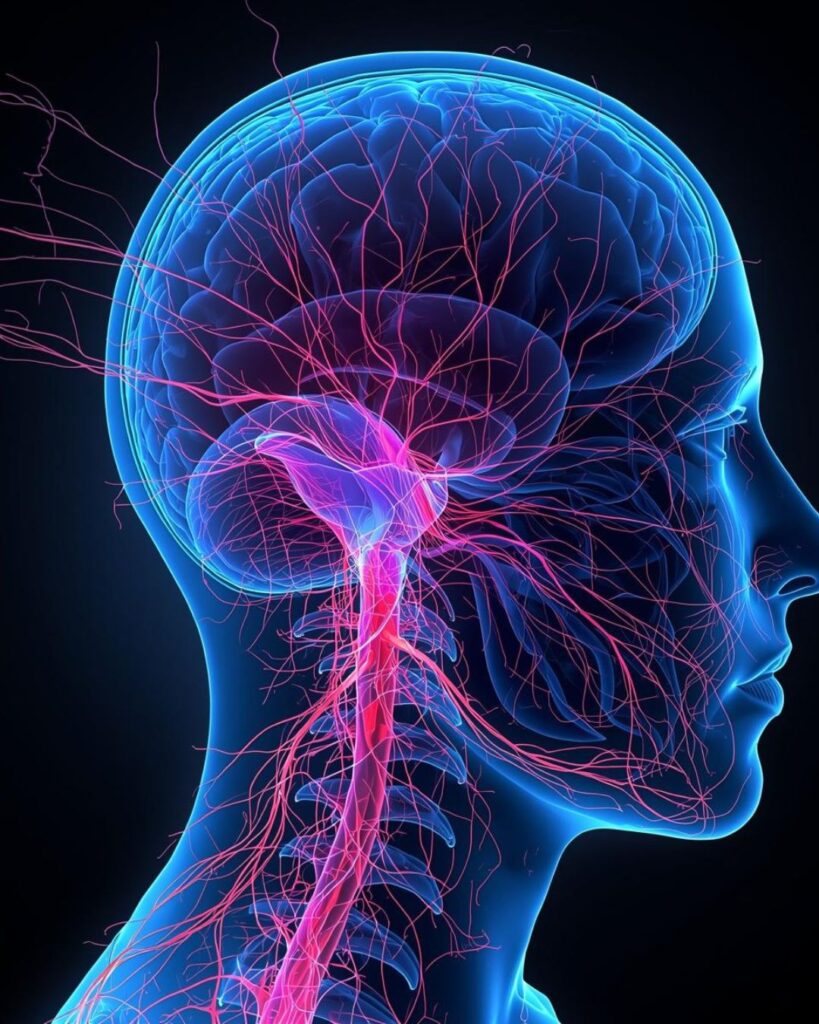
A neurocosmetic product is a topical formula that interacts with the cutaneous nervous system or the bidirectional skin-brain axis. It is not surface care made to feel calming. It targets the way nerve endings, neurotransmitters and their receptors behave in the skin itself.
The biology is well established. Skin is an active sensory organ that produces and responds to neuromediators including substance P, beta-endorphin, serotonin, dopamine and CGRP. Keratinocytes, melanocytes and immune cells participate in this signalling, not only nerve fibres. A 2025 review in Clinics in Dermatology described the field as a paradigm shift within dermatology, and a 2026 Cosmetics journal review extended the framework to psychological and psychiatric perspectives.
The defining characteristic of neurocosmetics is mechanism-based ingredient selection. A conventional botanical extract may be chosen because it “soothes.” A neurocosmetic active is chosen because it blocks a specific nerve receptor, modulates capsaicin-driven nociceptor signalling, inhibits acetylcholine release at the neuromuscular junction, or interrupts a neuroinflammatory cascade at a measurable point. The intent and the testing protocol are different.
The Skin-Brain Axis Is More Than a Metaphor
The skin-brain axis describes a two-way communication system. The brain influences the skin via stress hormones and the autonomic nervous system. The skin sends information back through touch, temperature, pain and itch pathways. Disruption in this loop is increasingly linked to atopic dermatitis, rosacea and psoriasis. This is no longer a wellness claim, it is an active field of dermatological research.
The clinical consequence is that chronic redness, persistent itch and reactive flushing do not always resolve with surface care alone, no matter how gentle the routine. The signal originates in the nervous system. Neurocosmetics is the cosmetic-side response to that observation.
Two Schools, Often Confused
European neurocosmetics currently splits into two distinct directions, and conflating them blurs the picture.
The first school is mood-led neurocosmetics. The product is built to influence the user’s perceived stress, fatigue or emotional state. Fragrances, textures and sensorial cues are central, and active ingredients tend to target endorphin or oxytocin-related signalling. Sisley’s Neuraé is the most visible European example. Eurofragance’s “EuroMotion” technology, presented at In-cosmetics Global 2026, sits in this category.
The second school is skin-condition-led neurocosmetics. The product addresses overactive nerve endings driving redness, itch, sensitivity, rosacea or atopic eczema. Mechanisms are tighter, the clinical endpoints are measurable, and the work is closer to psychodermatology than to fragrance science. The active ingredients tend to come from the same suppliers, but the brand framing is different.
A single brand can combine both. Distinguishing them is the only way to read what a company actually does when it claims to do neurocosmetics.
The Layer Most Brands Don’t Talk About
Before looking at the brands themselves, one structural detail matters. The majority of neurocosmetic actives used in Europe come from a small group of B2B ingredient suppliers, most of them based in Switzerland, Germany and France. The same active can travel through twenty different consumer brands, each rebranding the formula with different fragrance, texture and visual identity.
This is why the brand label says less than people assume. A brand using a respected neurocosmetic active is not necessarily a neurocosmetic brand. The meaningful distinction is whether the brand has built its formula architecture and clinical thinking around the skin-brain axis, or whether it has dropped a single neurocosmetic active into an otherwise conventional product. Mintel calls the latter “fairy dusting”, and warns that regulatory scrutiny will eventually catch up with it.
The brands below have moved further than that.
Sisley Paris with Neuraé, France
Neuraé is the most visible European brand built entirely around neurocosmetics. Sisley spun it off in 2024 as a standalone label after a decade of internal research. Its NA3 technology rests on three pillars: neuro-ingredients, neuro-fragrances and neuro-textures, with extracts of Red Indigo, Alpine Skullcap and Eperua at the core. The brand opened a flagship boutique in Paris’s Le Marais in 2025.
Neuraé sits firmly in the mood-led school. Its routines are organised around emotional states (energy, joy, serenity) rather than skin conditions. The positioning is luxury, the framing is psychological, and the clinical methodology is documented but built around emotional endpoints alongside dermatological ones.
Eyeam, United Kingdom
Eyeam was founded by Margo Marrone, the original force behind The Organic Pharmacy, together with her daughter Roxy Marrone. The brand combines neurocosmetics, psychodermatology and nutrition. Its formulas use clinically studied actives, including timut pepper extract for the skin-brain axis, but the brand also leans into ritual, affirmation and meditative use, aimed at a younger demographic. It is mood-led, with a wellness frame that overlaps the lines between cosmetics, supplements and self-care practice.
Gotha Cosmetics, Italy
Italian Gotha Cosmetics launched Neuroaura in March 2026, extending neurocosmetics into make-up. The four-product line, foundation, setting spray, blush stick and lip butter, was designed to engage the skin’s nervous system through targeted actives and sensorial textures. It is the first significant European example of neurocosmetics moving beyond skincare into colour cosmetics, and it points toward where the category is likely to go next.
ID Swiss Botanicals, Switzerland
Founded by Aude and Cedric Rimella, ID Swiss Botanicals builds around neuroactive plant compounds with documented mechanisms. Its positioning sits between scientific rigour and botanical sustainability. The brand publishes more on its formulation logic than most luxury labels do, which puts it closer to the skin-condition school despite a botanical visual identity.
Saaren Taika, Finland
Where This Is Heading
Saaren Taika is the clearest example of a Northern European brand operating in the skin-condition school. Its rosacea and sensitive-skin range is built on four mechanisms working in the same formula: nerve-ending calming, neuroinflammatory chain interruption, capillary wall reinforcement, and skin barrier restoration. Each is supported by clinical data on the active concentrations used.
Two characteristics distinguish Saaren Taika in the European context. First, the neurocosmetic formulas are developed entirely in-house at the brand’s laboratory in Perniö, southwestern Finland, rather than licensed from white-label manufacturers. Second, the formulas combine externally sourced clinically tested actives with the brand’s own bladderwrack actives, Fucus DuoActive® and Fucus Fusion®, which support hydration balance and skin barrier function.
Most consumer brands in Europe rely on supplier-formulated bases with minor adjustments to fragrance and packaging. The number of European labels combining mechanism-led active selection with proprietary in-house formulation work remains small. Saaren Taika sits in that smaller group.
Where This Is Heading
Industry analysts forecast double-digit category growth through the next decade. The premium skincare segment may be defined by skin-brain axis claims within five years. L’Oréal, Shiseido and Estée Lauder have already moved into the field, suggesting the current pioneer phase will narrow within two to three product cycles.
The risks are equally clear. The 2025 Clinics in Dermatology review highlighted off-target effects, the ethics of mood-altering compounds in daily routines, and the regulatory uncertainty when products claim to influence emotional state. The brands that can show measurable mechanisms, named actives at functional concentrations, and clinical data on the finished formula will outlast the ones using the term as a marketing layer.
For users with reactive, red, or sensitised skin, the practical shift is simpler. Conditions where conventional skincare often fails are starting to receive scientifically grounded answers backed by measurable mechanisms rather than the soothing-extract narrative the category has rested on for decades. This is a structural change, and it has not yet reached the majority of products on the shelf.
European neurocosmetics is being built quickly. The brands that survive scientific scrutiny will define the category for the next decade. The rest will move on to whatever the next term turns out to be.
About the author
The Skin Behavior Lab is a cosmetic science–focused platform dedicated to understanding how skin and ingredients actually behave. The content is based on formulation knowledge, ingredient analysis, and real skin behavior rather than trends or marketing claims.